Dark Skies and Stargazing Breaks on Exmoor at Woodcombe Lodges
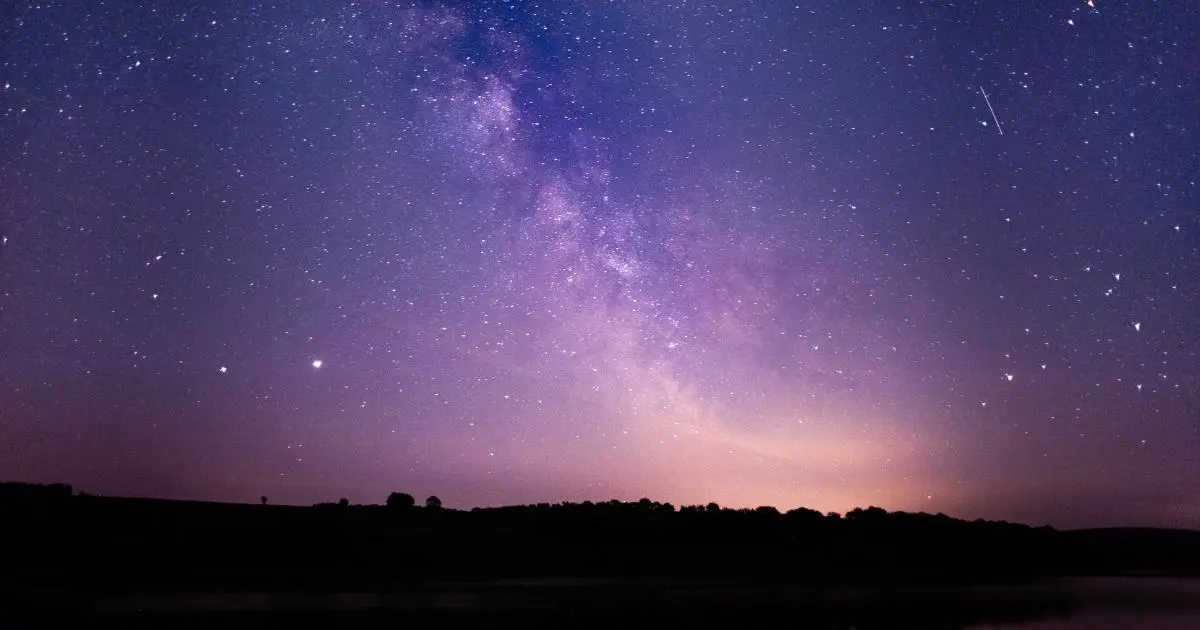
If you want a holiday that includes proper starry skies as well as countryside and coast, Exmoor is a very good place to start. Exmoor National Park was the first place in Europe to be designated an International Dark Sky Reserve in 2011, thanks to its very low light pollution and wide open views of the night sky. On a clear night you can see thousands of stars and often the Milky Way with the naked eye.
Woodcombe Lodges and Cottages sits on the edge of Minehead with Exmoor National Park on its boundary. It is a quiet four star self catering base with big skies by day and dark, starlit nights after sunset. This guide is for guests who would like to build stargazing into their break, whether that means simply stepping outside your lodge, driving to one of Exmoor’s dark sky viewpoints, or timing your visit to coincide with the Exmoor Dark Skies Festival.
Why Exmoor is so good for dark skies
Several things come together on Exmoor that make it ideal for stargazing:
- Low light pollution
There are no big cities within the National Park and lighting controls help keep artificial light to a minimum. On a cloudless night the sky is genuinely dark, which makes stars stand out clearly. - Open horizons
Much of Exmoor is high, open moorland or hilltop pasture, so you get wide views in all directions rather than narrow strips of sky between buildings. - Active support for stargazing
Exmoor National Park actively promotes astro tourism, with information on where to go, how to stargaze safely and how to minimise light pollution. - Regular dark sky events
Every autumn the Exmoor Dark Skies Festival brings together guided stargazing sessions, talks, family events and night walks in locations across the National Park.
All of this means that even if you are new to stargazing, it is easy to find good information and places to start.
Woodcombe Lodges works well for stargazing breaks
Woodcombe is not in the very remotest part of Exmoor, but that can be an advantage. You get a combination of:
- Dark but accessible skies
The site sits at the end of a small lane on the edge of Minehead. Night skies are much darker than most towns, yet you are not isolated miles from services. On clear nights many guests are surprised how many stars they can see just by stepping outside. - Open views from the site
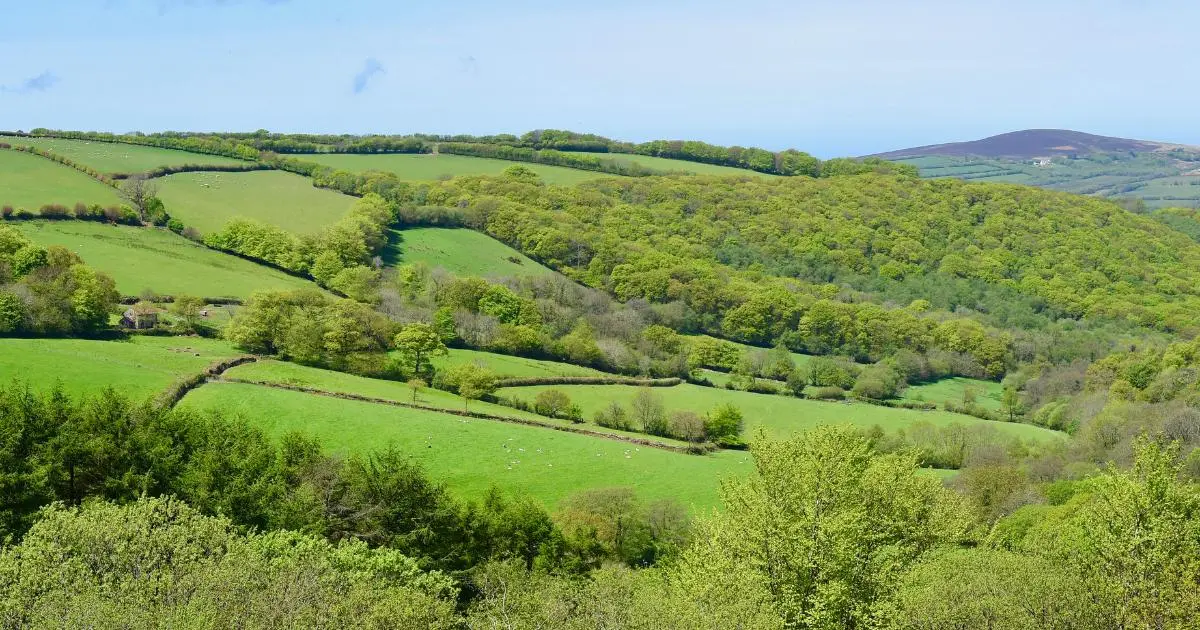
The lodges and cottages are set in around three acres of gardens on a gentle slope with views across the valley and towards the hills. This gives a good patch of sky for casual stargazing without needing to go anywhere. - Comfortable base between sessions
After standing outside in the cold for a while, it helps to have a warm shower, a decent sofa and a proper kitchen to come back to. Covered verandas also mean you can sit out and watch the stars while still having some shelter. - Easy access to classic dark sky viewpoints
From Woodcombe you can drive to places like Webbers Post, Dunkery Beacon car parks, Haddon Hill and Wimbleball Lake in reasonable time, all of which are noted as good stargazing spots. (VisitExmoor)
For many people this balance of dark skies, comfort and location is ideal.
Stargazing from your lodge at Woodcombe
You do not have to go anywhere special to enjoy the night sky during your stay. On clear evenings you can:
- Step out onto your veranda or into the garden
- Let your eyes adjust for 15 to 20 minutes
- Start to pick out brighter stars, constellations and sometimes the Milky Way
With the naked eye you can usually see:
- Well known constellations such as Orion, Cassiopeia and the Plough at the right times of year
- Bright planets when they are visible, such as Jupiter, Venus or Saturn
- Shooting stars during meteor showers if your timing is right
If you bring binoculars or a small telescope, you can take things further and look at:
- Star clusters like the Pleiades
- The craters on the Moon when it is in the right phase
- Brighter nebulae and deep sky objects in dark conditions
Exmoor National Park also runs a telescope hire scheme from its centres at Dulverton, Dunster and Lynmouth, which can be a simple way to try a telescope without buying your own.
For those who want more guidance, companies such as Dark Sky Telescope Hire and local stargazing guides offer Exmoor stargazing experiences and private sessions on the moor.
Dark sky hotspots and events within easy reach
If you would like to go beyond casual stargazing from the site, there are several well known dark sky locations and events that work well with a stay at Woodcombe.
Classic stargazing locations
Visit Exmoor and Exmoor National Park highlight several spots as particularly good for dark skies, including:
- Webbers Post – a short drive from Woodcombe, with views over Horner Wood and towards Dunkery
- Haddon Hill and Wimbleball Lake – open horizons and reflections on the water on still nights
- Holdstone Hill, County Gate and Brendon Two Gates – high, open locations further west into the National Park
Most of these have car parks and fairly straightforward access, though you should always visit in daylight first if you are unsure.
Exmoor Dark Skies Festival
Every autumn, Exmoor hosts the Exmoor Dark Skies Festival, with events spread across the National Park. Depending on the year, the programme can include:
- Guided stargazing with experienced astronomers
- Family friendly events and planetarium shows
- Night walks and wildlife safaris
- Talks, suppers and workshops on astronomy and astrophotography
Staying at Woodcombe during the festival makes it easy to combine official events with quieter stargazing from your lodge. For current dates and event details, always check the Exmoor National Park and Visit Exmoor websites before you book.
Planning a dark sky break at Woodcombe
A bit of preparation will help you get the most from a stargazing holiday.
- Check the Moon phase
If you want very dark skies and the best chance of seeing the Milky Way, aim for a new Moon or a time when the Moon rises late. If you enjoy looking at the Moon itself, you might prefer a first quarter Moon that shows craters clearly along the terminator. - Be realistic about the weather
No part of the UK can guarantee clear skies. Planning a stay of several nights and treating stargazing as a bonus, not a guarantee, usually leads to a happier holiday. - Pack for cold nights
Even in summer it can feel chilly standing still outdoors at night on Exmoor. Warm layers, hats, gloves and proper footwear make a big difference. - Use red light
A small torch with a red filter, or a red light mode on your phone, helps you see where you are going without ruining your night vision. - Learn a few constellations in advance
Free apps and simple star charts can help you recognise the main patterns so you get more from your time under the sky. - Stay safe
Choose stargazing spots you are comfortable driving to in the dark, avoid cliffs and steep drops, and let someone know where you are going if you head out onto the moor at night.
FAQs – dark skies and stargazing at Woodcombe Lodges
Is Woodcombe Lodges dark enough for proper stargazing?
Yes. While it is not in the most remote part of Exmoor, Woodcombe benefits from low light pollution compared to most towns. On a clear night you can see far more stars than you would from an urban area, and many guests are surprised by just how dark and starry the sky feels.
Do I need a telescope to enjoy the dark skies?
No. A lot can be seen with the naked eye, especially once your eyes have adjusted. Binoculars are a simple step up and are very effective for star clusters and the Moon. If you would like to try a telescope, you can look into Exmoor National Park’s telescope hire scheme or local stargazing experiences while you are staying.
Is a dark sky break suitable for children?
Often yes. Many children enjoy spotting constellations, looking at the Moon and counting meteors during showers. Early evening sessions work well for younger children, especially in autumn when it gets dark earlier. Some events in the Exmoor Dark Skies Festival are designed specifically for families, which can be a good introduction.
Are there accessible stargazing options?
Some of the recommended dark sky locations, such as Haddon Hill and Webbers Post, have car parks and relatively short, firm paths, which can work for people with reduced mobility. For the most up to date information on accessibility, surfaces and gradients, check the Exmoor National Park and Visit Exmoor websites and choose locations that fit your needs.
When is the best time of year to visit for stargazing?
Autumn and winter tend to offer the longest hours of darkness and often the clearest skies, although good nights can happen at any time of year. The Exmoor Dark Skies Festival each autumn is a popular time to visit if you would like a mix of events and independent stargazing. If you prefer quieter conditions, you might choose dates outside the main school holidays and festival period.
If you like the idea of quiet evenings under some of the darkest skies in the UK, with comfortable self catering accommodation to retreat to afterwards, you can check availability for Woodcombe Lodges and Cottages on their website. For detailed information on stargazing sites, events and the latest Exmoor Dark Skies Festival programme, visit Exmoor National Park’s and Visit Exmoor’s websites.