Wildlife Watching on Exmoor with Red Deer and Exmoor Ponies
If you love the idea of seeing wildlife in its natural setting – not in a zoo or behind a fence – Exmoor is hard to beat.
This guide focuses on wildlife watching on Exmoor from Woodcombe Lodges, with a special emphasis on red deer and Exmoor ponies, plus simple tips to help you enjoy it all responsibly.
Why Exmoor is such a good place for wildlife watching
Several things come together on Exmoor that make it ideal for wildlife enthusiasts:
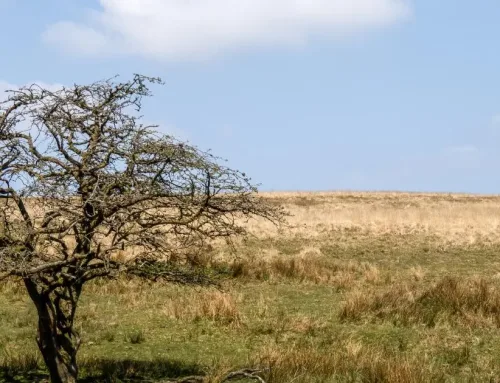
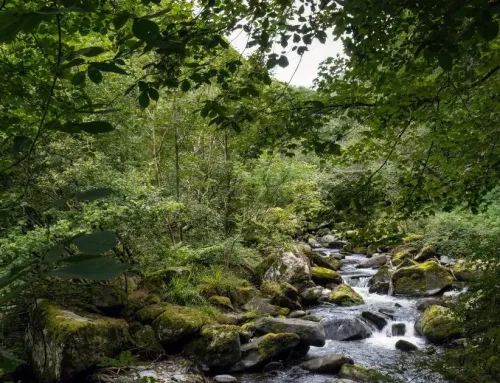
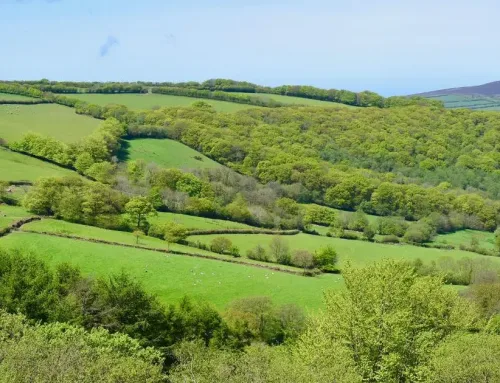
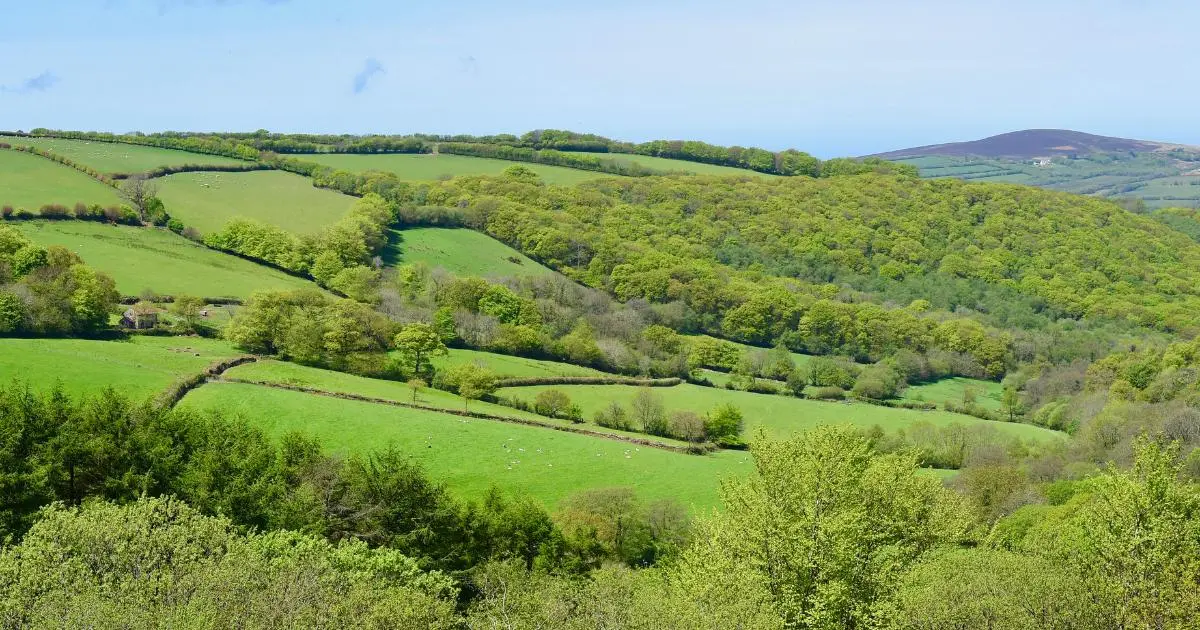
- Varied habitats in a compact area – high, open moorland, ancient oak woodland, deep river valleys, farmland, coast and estuary all lie close together. Different habitats mean different species. (exmoor-nationalpark.gov.uk)
- Large populations of flagship species – including the UK’s largest herds of red deer and the native Exmoor pony.
- Protected landscapes – National Park status means the area is actively managed for wildlife, access and landscape quality.
- Good access for visitors – Exmoor has around 1,000km of rights of way, plus viewpoints, car parks and waymarked routes that make it easier to explore.
You don’t have to be a hard core birder or photographer to benefit from this. With a bit of patience and some basic understanding of where to look, most visitors can expect at least a few memorable sightings during a stay.
Woodcombe Lodges as a base for wildlife holidays
From a wildlife point of view, Woodcombe offers a useful balance of comfort and location:
- Edge-of-park position – the site sits at the end of a small lane above Minehead, with Exmoor’s boundary right alongside. That means you can be out among fields, hedgerows and wooded slopes very quickly, while still having town and beach nearby.
- Three acres of gardens and grounds – lawns, trees and hedges attract garden birds, bats and insects. On a still evening you may hear owls calling or see bats feeding overhead.
- Walks from the gate – pre-prepared walk sheets from the site let you explore nearby countryside without driving, which is ideal for early morning or evening wildlife walks.
- Easy access to classic wildlife spots – places such as Dunkery Beacon, Horner Wood, Winsford Hill, Tarr Steps, Wimbleball Lake and the Exmoor coast can all be reached by short drives, giving you a wide choice of habitats in a single holiday.
You can fill some days with dedicated wildlife trips, and other days with more general walking, village visits or steam trains – everything feeds the same sense of being out in a living landscape.
Red deer on Exmoor – what to know and where to look
Red deer are often described as Exmoor’s most iconic animal. They are Britain’s largest surviving land mammal and are found across much of the National Park.
A few basics
- Exmoor supports large free-ranging herds of red deer that move between moorland, woodland and farmland.
- Stags grow and shed antlers each year; these are at their most impressive in late summer and autumn.
- The autumn rut (usually around October) is a dramatic time, with stags roaring and displaying, but they can be seen at other times of year too.
Good conditions for spotting deer
You are more likely to see red deer when:
- You are quiet and patient
- You are out at dawn or dusk, when deer are more active
- You scan the edges of woodland or the skyline of open slopes with binoculars
On bright, calm evenings you might pick them out grazing on distant hillsides or slipping between fields and woods.
Suggested deer-watching areas
From a base at Woodcombe, many visitors look for red deer:
- Around Dunkery Beacon, where the open moor and views give you a good chance of spotting herds at distance, especially in the rutting season.
- In and around Horner Wood and nearby valleys, where deer move between ancient oak woodland and moorland.
- On the higher open commons inland from Porlock, Exford and Winsford.
- With local wildlife safaris and guided tours, which can also increase your chances, as experienced guides know favoured areas and how to position you without causing disturbance.
Always remember to watch from a distance, use binoculars and never try to approach closely – especially during the rut, when stags are full of adrenaline and must be given plenty of space.
Exmoor ponies – the iconic native pony of the moor
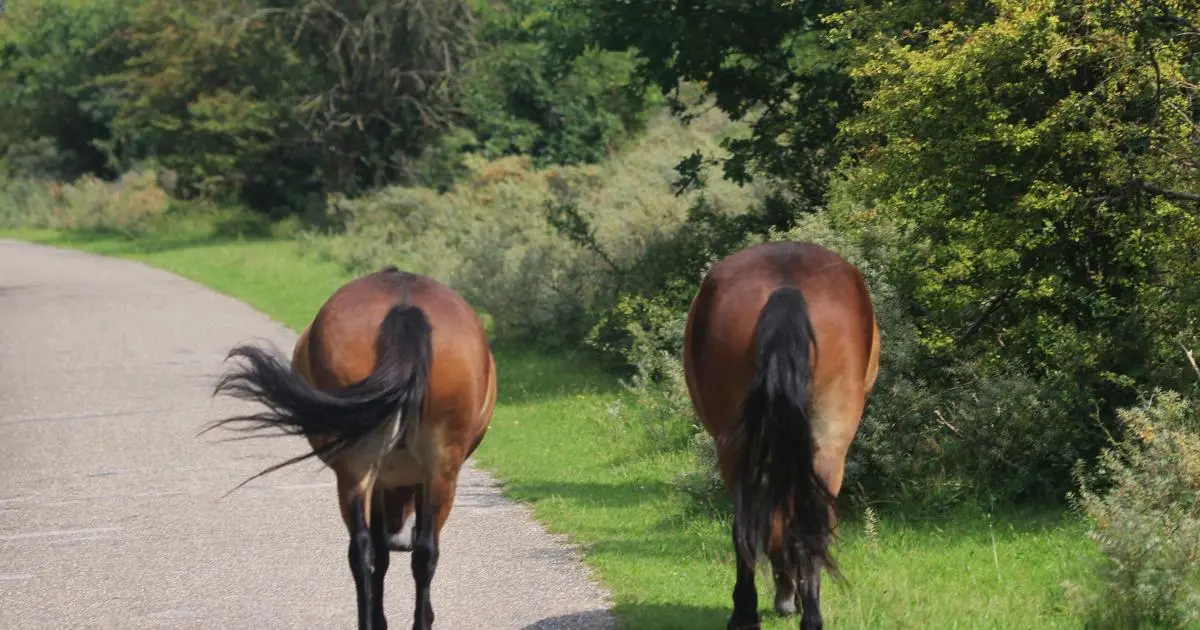
If red deer are Exmoor’s most dramatic mammal, Exmoor ponies are its most instantly recognisable. They are a small, hardy native breed with thick coats and distinctive pale “mealy” muzzles, well adapted to life on the moor.
Semi-wild, not completely wild
Exmoor ponies often look “wild” because they roam freely in herds on open commons – but they all belong to someone. The herds are managed by farmers and, in some cases, the National Park itself.
Their grazing plays an important part in shaping the moorland habitat, helping to keep vegetation in balance and supporting other wildlife.
Where to see Exmoor ponies
From Woodcombe, you have a good chance of seeing ponies if you head to:
- Winsford Hill, which supports one of the largest herds and has wide views over the surrounding landscape.
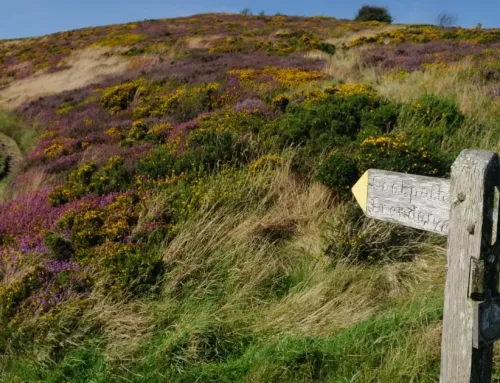
- The open commons around Porlock, Dunkery Beacon and North Hill, where herds graze rough pasture and heather.
- Various other moorland areas highlighted on Exmoor National Park and Visit Exmoor wildlife pages.
- Wildlife safaris with a local guide, which can be a simple way to see ponies and learn more about their history and role in the landscape.
Important safety note
Exmoor ponies may look friendly, but for their sake and yours:
- Do not feed them
- Do not try to touch or pet them
- Keep dogs under very close control around ponies and other grazing animals
Local wildlife and countryside codes are very clear that feeding ponies can alter their behaviour, make them pushy around cars and people,
and ultimately put both animals and visitors at risk.
Other wildlife you might encounter
Although red deer and ponies are the headline species, Exmoor’s wider wildlife is just as interesting:
- Birds – from skylarks and meadow pipits on the moor to dippers and kingfishers on rivers; seabirds along the coast; and birds of prey such as buzzards and occasionally merlin or hobby.
- Bats – Exmoor supports all of the UK’s native bat species, making dusk a good time to watch for them around trees, rivers and buildings.
- Riverside mammals – with luck and patience, otters may be seen on some rivers, alongside more common species such as grey squirrels and foxes.
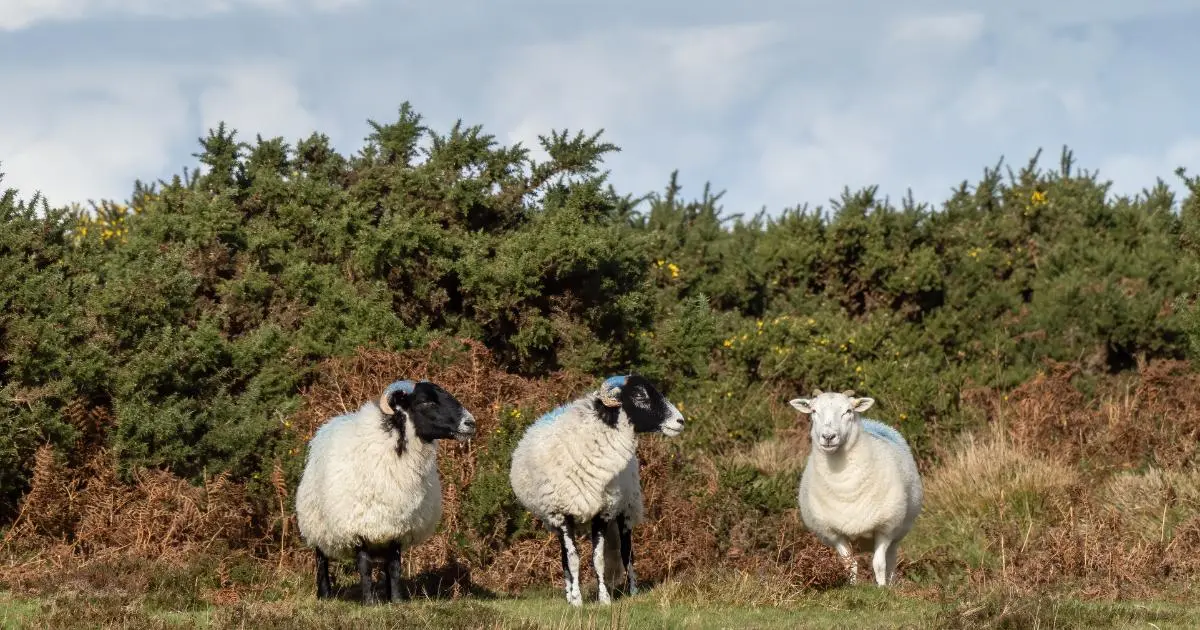
- Insects and butterflies – heather moorland, culm grasslands and sheltered valleys support a range of butterflies, moths and dragonflies, especially in late spring and summer.
Woodcombe itself can be a good place to start noticing smaller species – garden birds, bats at dusk, insects around flowering shrubs, and the changing sounds of the valley as day turns to night.
If you enjoy recording what you see, Exmoor National Park’s Look Wild project invites visitors to upload records via iNaturalist, helping ecologists build a fuller picture of the area’s biodiversity.
Responsible wildlife watching on Exmoor
The best wildlife experiences are the ones where animals behave naturally and are not disturbed. A few simple principles make a big difference:
- Keep your distance – use binoculars or a zoom lens rather than approaching closely, especially with red deer, ponies, birds of prey and nesting birds.
- Never feed wildlife – including Exmoor ponies and other grazing animals; it can harm their health and change their behaviour.
- Keep dogs under effective control – on a lead near livestock and ground nesting birds, and always following local signage and the Countryside Code.
- Stay on paths where requested – particularly on sensitive habitats such as dunes, heaths and nesting areas.
- Leave no trace – take litter home, avoid lighting fires or barbecues in open countryside, and respect any seasonal restrictions.
Exmoor National Park, Visit Exmoor and local wildlife organisations all provide up to date guidance and codes to help you enjoy wildlife safely and responsibly.
Planning a wildlife watching stay at Woodcombe
To get the most from a wildlife-focused break:
- Bring binoculars – they transform what you can see, especially for deer and birds.
- Allow time at dawn or dusk – even one or two early starts or late evening walks can make a big difference to what you spot.
- Mix self-guided exploring with guided trips – a 4×4 wildlife safari or nature walk with a local expert can quickly build your understanding, and then you can apply that knowledge on your own walks.
- Use official resources for ideas – Exmoor National Park and Visit Exmoor both have dedicated pages on wildlife, walks and events, as well as advice on the best times and places to go.
From Woodcombe you can then choose a simple structure – perhaps a red deer day, a ponies-and-moor day, a rivers-and-woodland day and some quieter time enjoying the views from your lodge.
FAQs – Wildlife watching on Exmoor at Woodcombe Lodges
What are my chances of seeing red deer during a stay?
While nothing can be guaranteed, Exmoor has a strong, free-ranging red deer population, and many visitors do see them during a week-long stay – often at distance on hillsides or crossing fields at dawn or dusk. Spending time in likely areas such as Dunkery Beacon, Horner Wood or the higher moors, and using binoculars, will improve your chances. Guided safaris can increase the odds further.
Are Exmoor ponies really wild?
Exmoor ponies roam freely on the moor, but they are owned and managed by farmers, landowners and, in some cases, the National Park. They are best thought of as semi-wild: living outdoors all year in family herds, but still part of managed grazing systems and carefully monitored as a rare native breed.
When is the best time of year for wildlife watching?
There is wildlife to see all year, but:
- Spring and early summer bring birdsong, flowers, lambs and active insect life.
- Summer offers long evenings, butterflies, dragonflies and coastal bird activity.
- Autumn is famous for the red deer rut and dramatic colours in woods and on the moor.
- Winter can give stark, atmospheric views and easier sightings of some species on leafless slopes.
Your priorities (deer, ponies, birds, general nature) will shape the best timing for you.
Can I bring my dog on wildlife walks?
Yes, provided you stay in one of Woodcombe’s dog friendly lodges and you keep your dog under close control at all times on Exmoor – often on a lead around livestock and ground nesting birds. Exmoor National Park’s “Exmoor for Dogs” guidance explains how to walk safely and responsibly with dogs in the area.
Are there family-friendly wildlife activities close by?
Absolutely. Many children enjoy simple things like spotting ponies from the car, counting birds in the garden, looking for crabs in coastal rockpools or using binoculars to watch deer from a distance. Guided wildlife safaris, National Park events and family-friendly trails at places like Dunster and Wimbleball Lake can all add interest to a family holiday.
If you’d like to combine comfortable self catering accommodation with real chances to see red deer, Exmoor ponies and other wildlife, Woodcombe Lodges and Cottages makes a practical, peaceful base on the edge of Exmoor. You can check availability on the Woodcombe website, and for more detailed information on wildlife, walks and events across the National Park, visit Exmoor National Park and Visit Exmoor online.